
Filtered shower heads are one of the fastest-growing categories in the bathroom market. As people learn that skin and hair absorb whatever is in their tap water, more of them want a shower that filters out chlorine, sediment and rust — and that demand is pulling wholesalers, retailers and hotels into the category too.
This guide covers everything you need to know: how a filtered shower head actually works, whether it genuinely helps with hard water and dry skin, and — if you're buying for a store, a brand or a property — how to choose the right one. As an integrated shower head manufacturer and exporter in Cixi, China, we've built this guide around the questions buyers and end-users ask us most.
In this guide
- What is a filtered shower head?
- How does a filtered shower head work?
- Do filtered shower heads really work?
- Benefits for hard water, skin and hair
- Aromatherapy shower heads
- Why demand is booming in 2026
- How to choose a filtered shower head
- Maintenance and filter replacement
- Frequently asked questions
What is a filtered shower head?
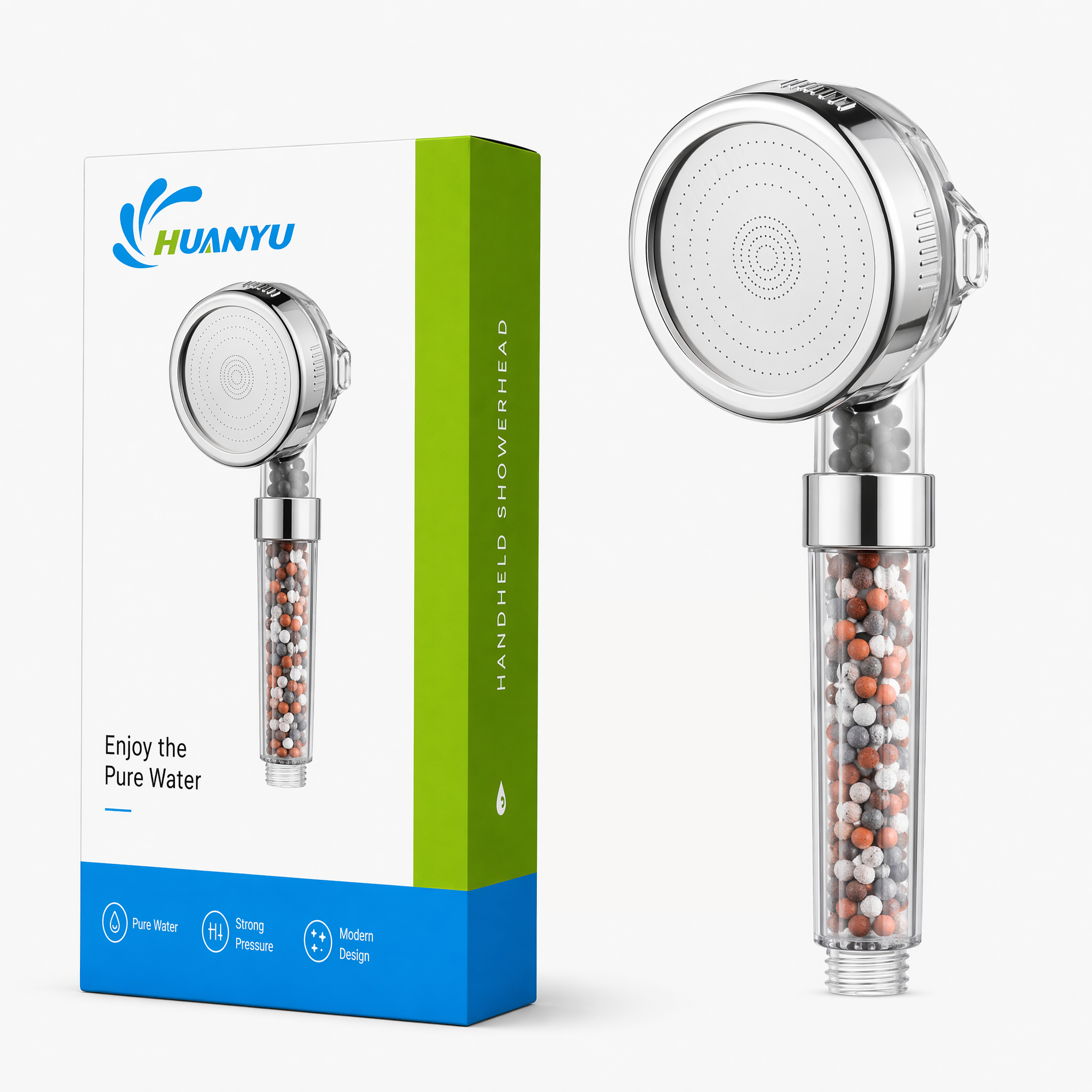
A filtered shower head is a shower head with a built-in water-filtration stage between the hose connection and the spray face. Instead of tap water flowing straight to the nozzles, it first passes through filter media that trap physical impurities and reduce dissolved chemicals such as chlorine.
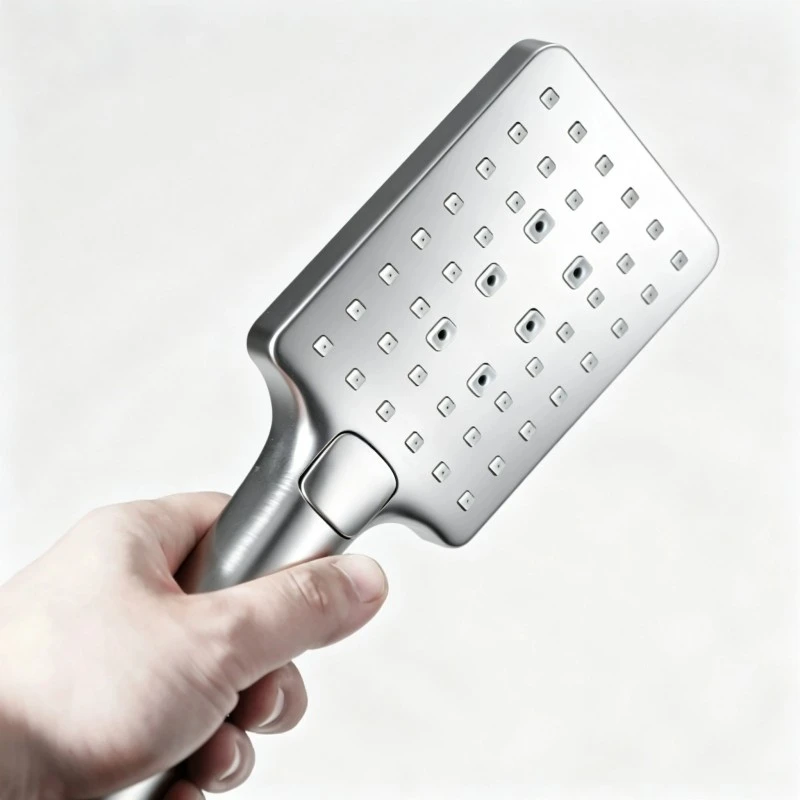
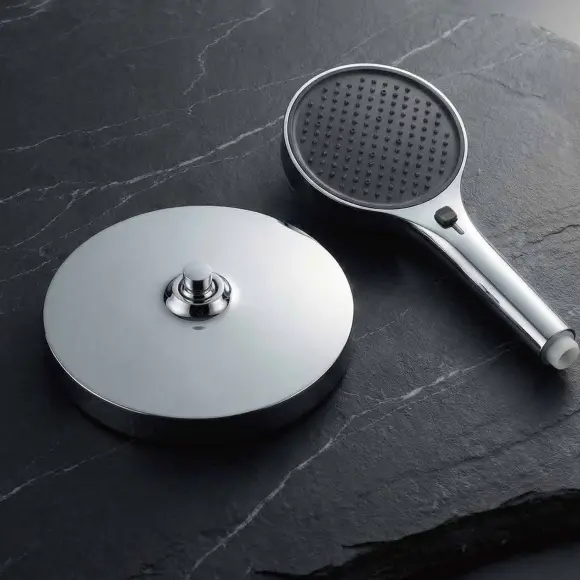
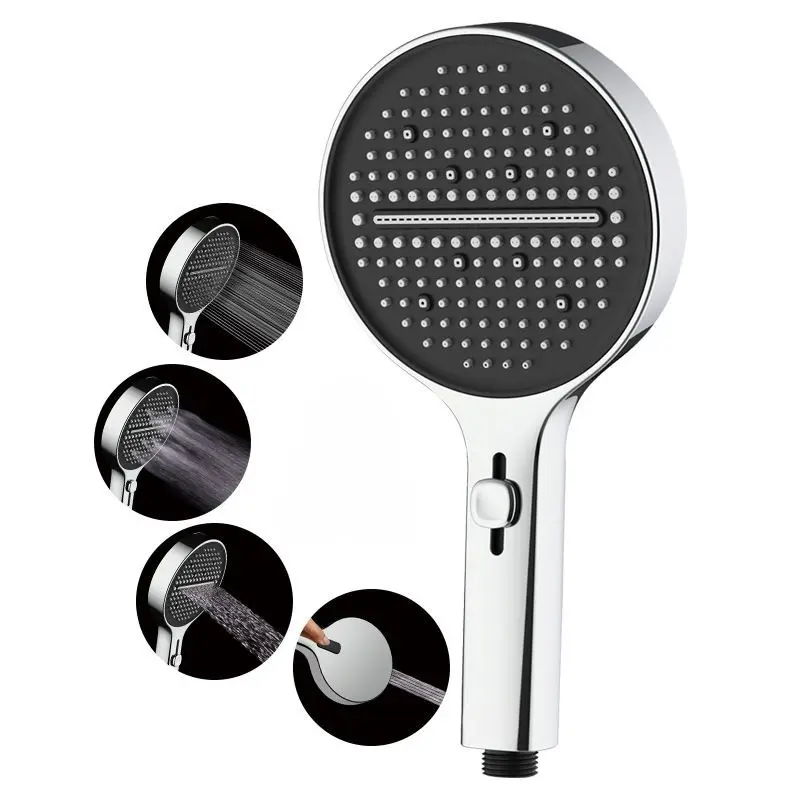
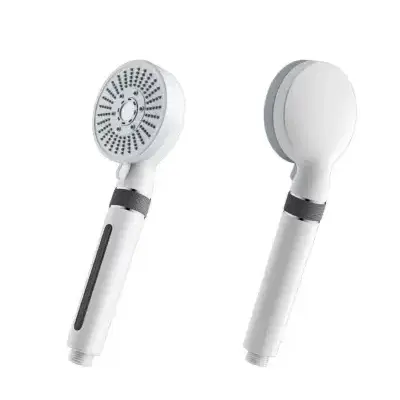
There are two common formats. A handheld filtered shower head houses the filter inside the handle, so the cartridge is easy to see and replace. An inline filter sits between the hose and an ordinary shower head. For most homes, hotels and retail buyers, the handheld type is the more popular choice, because the filter is a visible feature and the replaceable cartridge is simple to swap.
How does a filtered shower head work?
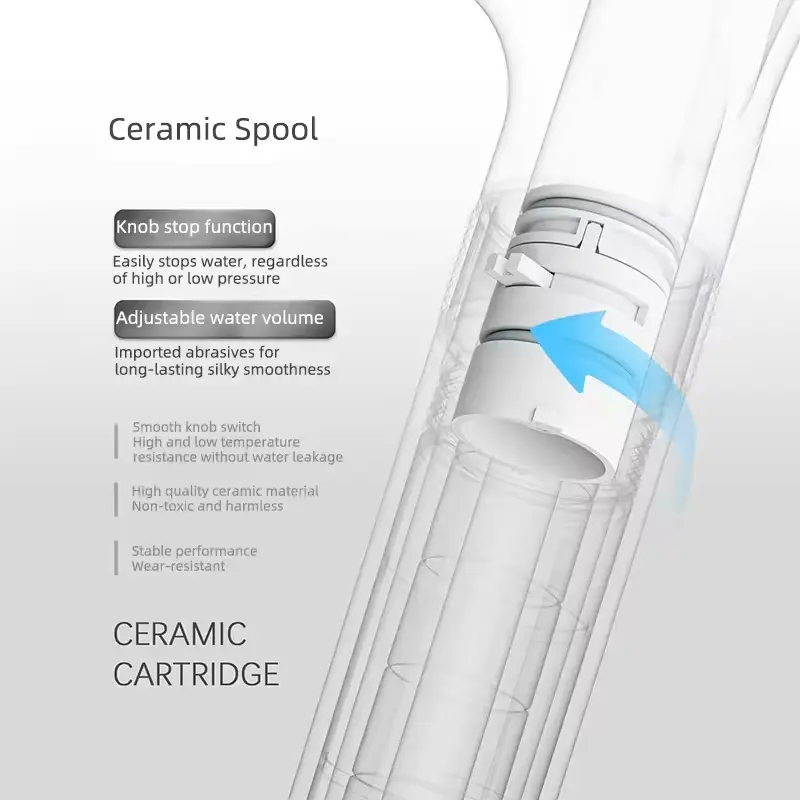
A filtered shower head is only as good as the media inside it. Most use one or more stages, each targeting a different type of contaminant. The most common and cost-effective is a PP cotton (polypropylene) filter, often combined with chlorine-reducing or mineral media.
Stage 1: PP cotton filter
The first stage is a dense PP cotton core that works like a very fine mechanical sieve. It captures sediment, rust particles and other physical impurities down to about 5 microns. This is the stage that matters most in older plumbing and hard-water regions, and it's also what keeps the shower's own nozzles from clogging.
Stage 2: chlorine reduction
Beyond mechanical filtration, quality cartridges reduce chlorine and chloramines — the chemicals added to municipal water for disinfection, and the ones that strip natural oils from skin and hair. This is the benefit most users notice first, usually within the first week.
Stage 3 (premium): carbon or mineral media
Higher-end models add activated carbon, KDF or mineral balls to target heavy metals and improve how the water feels. For most markets, a PP-cotton-plus-chlorine cartridge gives the best balance of performance, price and replacement cost.
| Filter stage | Removes / reduces | Typical lifespan |
|---|---|---|
| PP cotton | Sediment, rust, particles (≈5 micron) | 3–6 months |
| Chlorine media | Chlorine, chloramines | 3–6 months |
| Carbon / mineral (premium) | Heavy metals, odor, water feel | 2–4 months |
Lifespan depends on local water quality and usage; hard-water regions replace cartridges more often.
Do filtered shower heads really work?
Yes — as long as you're clear about what they do and don't do. A filtered shower head is not a whole-house purifier and won't make water drinkable. But for the job it's built for, the effect is real:
- The PP cotton stage measurably removes sediment and rust, which you can often see on the cotton itself as it darkens over time.
- Chlorine-reducing media lowers the chlorine smell and the drying effect on skin and hair — the change most people notice within days.
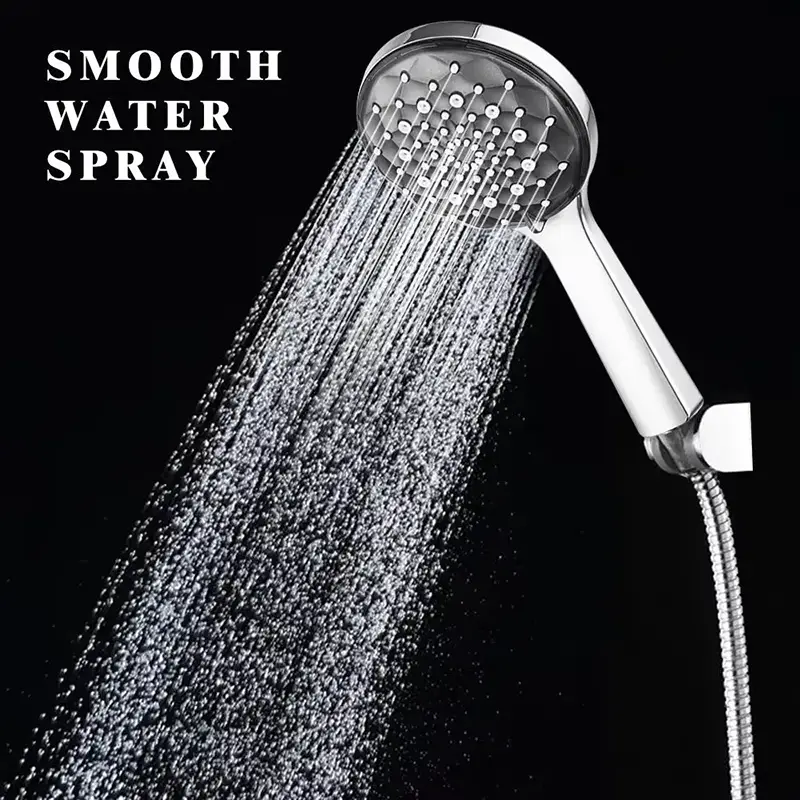
- By catching particles before they reach the spray face, the filter also keeps the nozzles from clogging, so the shower keeps its pressure longer.
What a filtered shower head can't do is soften water in the chemical sense (it doesn't remove dissolved calcium and magnesium the way a water softener does), or remove bacteria or dissolved metals beyond what its media is rated for. Set expectations there and customers stay happy.
Benefits for hard water, skin and hair
The value of a filtered shower head is clearest when tied to problems people already feel:
- Hard water. Sediment and scale clog nozzles and leave residue on skin; the PP cotton stage removes the particles before they reach the spray.
- Dry skin and brittle hair. Reducing chlorine helps skin and hair retain their natural oils — the strongest retail selling point.
- Fresher-feeling showers. Lower chlorine odor makes the water feel cleaner, an easy point to demonstrate.
- Sensitive and baby skin. New parents and eczema-prone users are a receptive audience for filtered showers.
Aromatherapy shower heads
Some filtered shower heads add an aromatherapy chamber after the filter, where a replaceable scented cartridge infuses the water with a light fragrance. Warm water activates the scent, turning an ordinary shower into a spa-like ritual. Popular options are lavender for relaxation, eucalyptus to help clear sinuses, citrus for energy and tea tree for its antibacterial reputation.
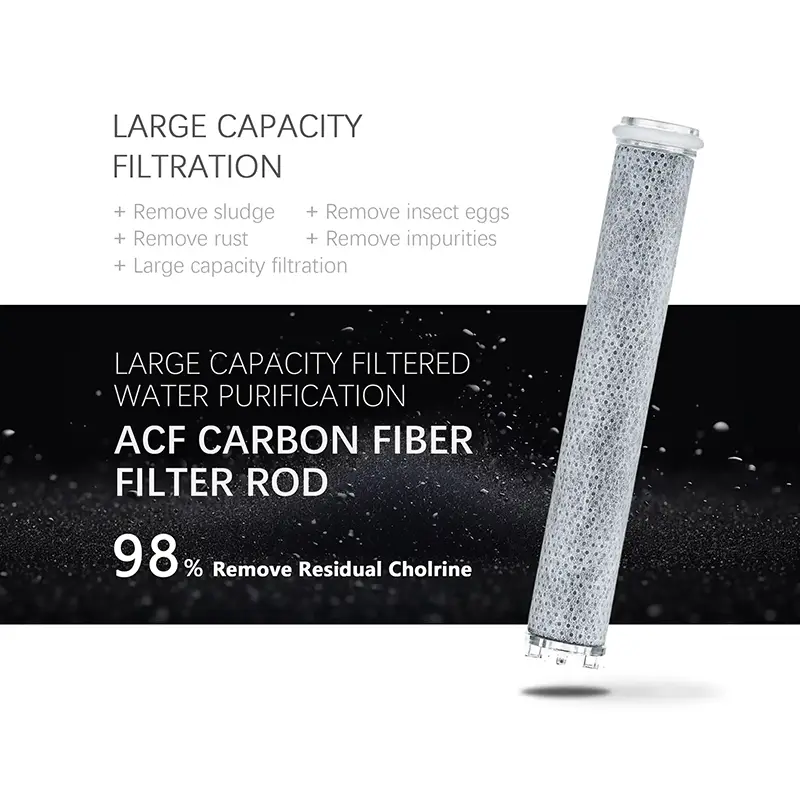
For hotels and spas, a lavender-scented shower is the kind of detail that shows up in positive guest reviews. For retailers, the scent cartridges are a second consumable alongside the filters. Huanyu's Spa Hand Shower range is built around this wellness angle.
Why demand is booming in 2026
Three trends are driving filtered shower head sales worldwide:
- The wellness economy. People increasingly treat the shower as part of a self-care routine, not just hygiene.
- Water-quality awareness. Coverage of chlorine, microplastics and heavy metals has pushed filtration from the kitchen into the bathroom.
- Recurring revenue for sellers. Because filters and aroma cartridges are consumables, they generate repeat orders rather than one-off sales.
We covered this shift in more detail in Embracing a New Era of Pure Bathing.
How to choose a filtered shower head
Whether you're buying one for your bathroom or sourcing a container-load, these are the five things that matter most.
1. Face plate material
Stainless steel face plates resist cracking, discoloration and corrosion far better than plain plastic, which matters most for hotels and heavy use. Check whether the body is ABS with a steel plate or fully steel, and match it to your price point.
2. Filter type and replacement cost
Check the media, the micron rating, and — the point buyers most often overlook — the cost and availability of replacement cartridges. A cheap head with expensive or hard-to-find refills is a poor long-term buy.
3. Flow rate and water regulations
Many markets regulate flow. A common spec is 2.5 GPM at 80 PSI, with a 1.8 GPM option for water-efficiency rules (parts of the US and Australia, for example). Make sure the flow rate matches your market's requirements.
4. Certifications
For commercial and regulated markets, look for ISO9001 quality management and product standards such as ASME A112.18.1 and EN1112. These matter for hotel procurement and for customs in some regions.
5. Customization (for brands and wholesalers)
If you're building your own brand, check whether the manufacturer offers OEM/ODM — logo engraving, custom packaging and custom scent cartridges — and confirm minimum order quantities and lead times up front.
Maintenance and filter replacement
The most important maintenance step is replacing the cartridge on schedule. A PP cotton filter typically lasts 3–6 months, closer to 3 in hard-water areas. Models with a transparent window make this easy — you can see the cotton darken as it fills with sediment.
The spray face should use self-cleaning silicone nozzles, which flex to shed limescale and wipe clean. It's worth remembering that an unfiltered head clogs far faster, so the filter protects the whole unit, not just the water. For anti-clog designs, see Huanyu's Self-cleaning Hand Shower range.
Frequently asked questions
- Do filtered shower heads really work?
- Yes, for what they're designed to do: PP cotton removes sediment and rust down to about 5 microns, and chlorine media reduces chlorine. They aren't whole-house purifiers, but for skin, hair and nozzle protection the effect is real and noticeable within days.
- How often should a shower filter be replaced?
- Typically every 3–6 months, sooner in hard-water regions. A transparent filter window makes it easy to judge.
- Will a filter reduce my water pressure?
- Not with a well-designed head. High-pressure filtered models are rated around 2.5 GPM at 80 PSI, with a 1.8 GPM option for water-efficiency markets.
- Are filtered shower heads good for hard water?
- Especially so — the PP cotton stage captures the sediment and scale that hard water carries, reducing both skin residue and nozzle clogging.
- Can filtered shower heads be ordered with a custom brand?
- Yes. Manufacturers offer OEM/ODM: logo engraving on the face plate, custom packaging and custom scent cartridges, at reasonable minimum order quantities.
About the manufacturer
Ningbo Huanyu Sanitary Ware Co., Ltd. is an integrated shower head manufacturer and exporter based in Cixi, Ningbo — the industrial cluster that produces a large share of the world's shower heads. We combine our own production and quality-control operation with a network of 30 specialised partner factories across Cixi, each focused on one part of the shower set — rainfall heads, handheld internals, brackets, hoses — so every component is made by a line that specialises in it.
What ties that network together is a single quality standard: unified raw materials (ABS from Chimei and LG), one designated electroplating partner, a 96-hour neutral salt-spray test on finishes, and a final pre-shipment inspection and packing at our own central warehouse. It's how we deliver an "affordable luxury" shower — premium build without the premium price.
- 6+ years exporting, backed by 20+ years of family shower-making experience
- Russia, India, Turkey, Italy, Brazil, Greece and more
- OEM / ODM with in-house mould team & testing lab
- MOQ from 200 pcs; ~20-day lead time on repeat orders
- 2-year warranty; 93% on-time delivery
- Trusted by OBI, CERA, Panasonic, Truper, KAS, ESKO and other brands
Certifications: CE, RoHS, and ACS (French Attestation de Conformité Sanitaire for drinking-water contact, issued via Eurofins) — the approvals that matter for EU and hotel procurement.
Related reading
Cluster child articles to link here once published: "Do shower filters really work?" · "Hard water and your skin" · "Aromatherapy shower heads: turning a bathroom into a spa" · "How often to replace a shower filter cartridge."