
By Ningbo Huanyu Sanitary Ware, hand shower manufacturer & exporter, Cixi · Updated August 2026
Most sourcing guides tell you how to find a shower head supplier. Far fewer tell you what actually happens after you send the first message, which is where deals stall. This article covers the practical numbers and steps: minimum order quantities, lead times, what OEM and ODM really mean in a shower factory, and where quality is checked. The figures below are our own, so you can benchmark other quotes against them.
Our minimum is 200 pieces for a regular colour such as chrome, and 500 pieces for a special colour or finish. Buyers often assume the higher figure is a negotiating tactic. It isn't. Electroplating and PVD lines run in batches, and a batch costs roughly the same to set up whether it carries 200 units or 2,000. On chrome we run continuously, so a small order slots in. On matte black, gun grey, gold, brushed nickel or brushed gold, someone has to stop the line, change over, and run your colour alone.
That has a practical implication when you plan a range. If you want six colours in your first order, you are effectively placing six separate production runs. Buyers who launch with one or two finishes and add colours as volume grows get a much better cost position than buyers who spread a small first order across the whole palette.
A first order takes about 30 days; a repeat order of an established model about 20 days. The ten-day gap isn't padding. A first order carries sampling, your approval, packaging artwork and a new packing setup. Once those are locked, the second order skips straight to production.
| Order type | Typical time | What's driving it |
|---|---|---|
| Repeat order, existing model | ~20 days | Straight to production; specs and packaging already fixed |
| First order, OEM (your logo, existing model) | ~30 days | Sampling, approval, artwork and packing setup |
| ODM, new product | Longer, quote by project | Mould making is the long pole, not production |
Two things reliably blow up a schedule, and both sit on the buyer's side. The first is slow artwork approval: colour box files that take three weeks to sign off push shipment by three weeks. The second is changing the spec after sampling. Freezing the specification at sample approval is the single most effective thing a buyer can do to protect a launch date.
Ask any supplier for their on-time delivery rate and treat a vague answer as a red flag. Ours was 93% last year, which we publish rather than round up to "always on time," and we are working to 96%. A supplier who has never measured it cannot manage it.
These two terms get used interchangeably in inquiries, and the confusion costs buyers money.
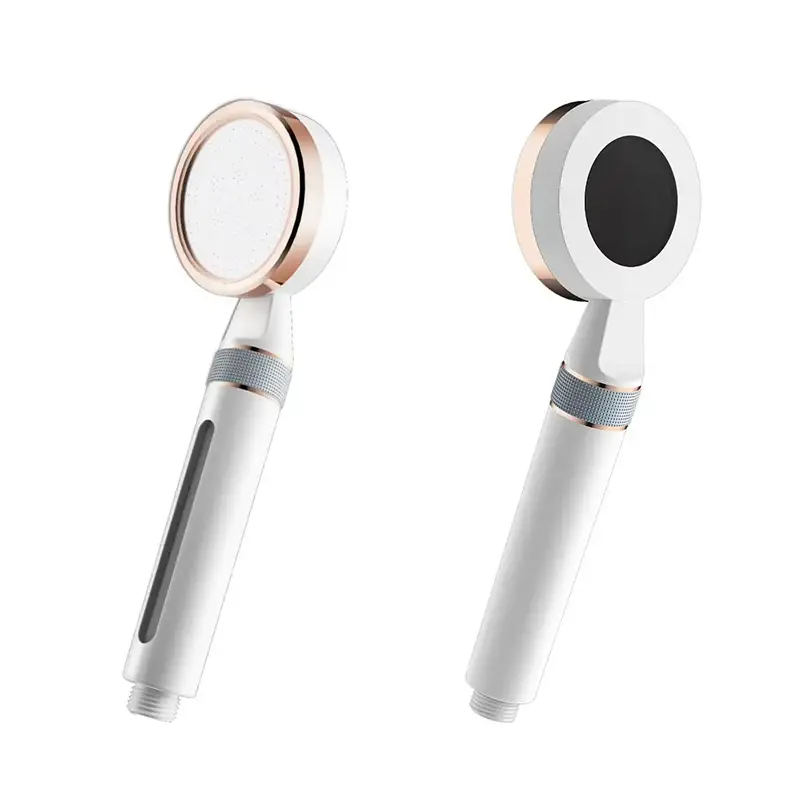
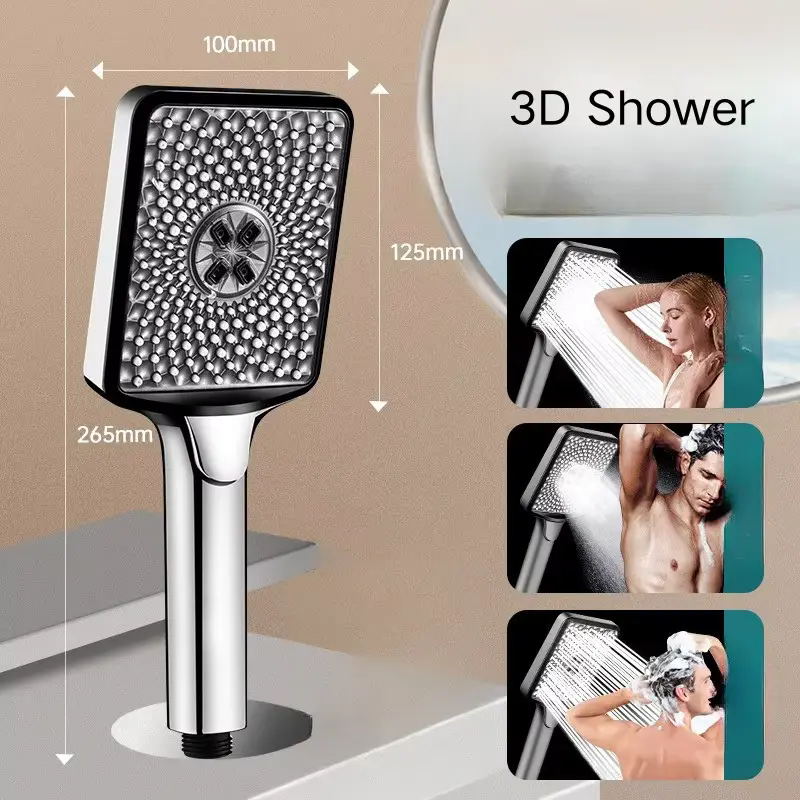
You choose an existing model from the catalogue and we produce it under your brand. That covers your logo on the product, your choice of finish, and your packaging: blister, colour box, colour box with blister, or gift box. No new tooling, so no mould cost and no mould lead time. For most retailers, distributors and hotel groups entering a category, this is the right first move.
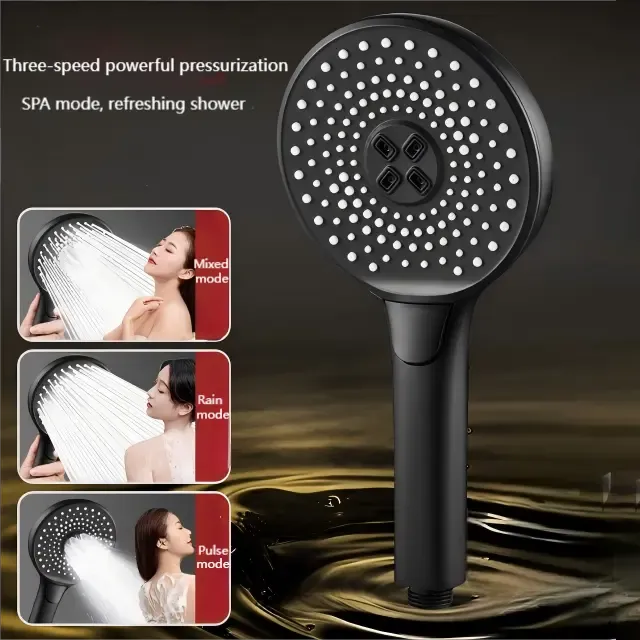
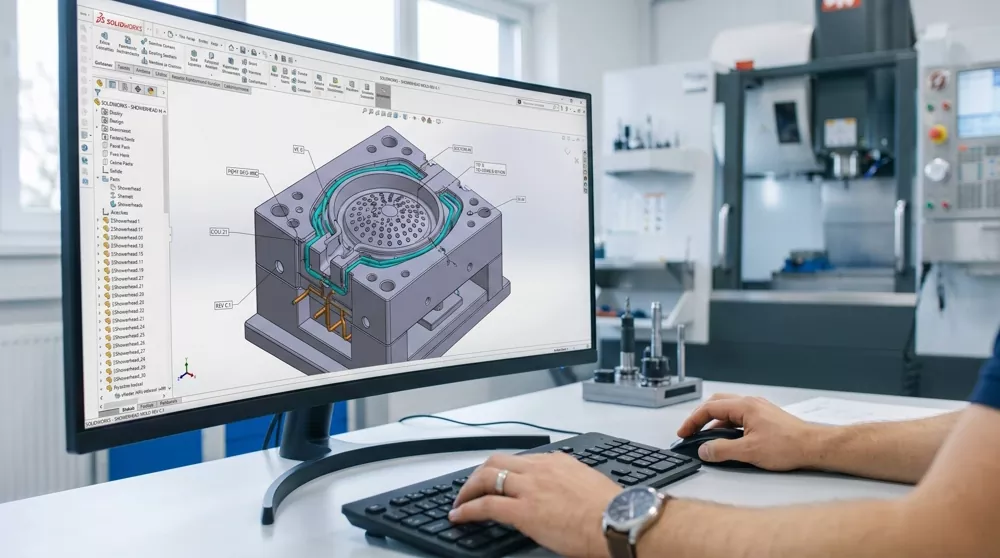
ODM means developing a product that doesn't exist yet, to your drawing or brief. We design the mould in house, cut it from 2083 mould steel hardened to HRC 48-54, and run it on our own lines. You get a shape nobody else can sell, and you carry the tooling investment and a longer timeline. It pays off when your volume is high enough to amortise the mould, or when your market position depends on a product competitors can't copy off a catalogue.
The honest advice: most buyers should start OEM and graduate to ODM. Committing to tooling before you know how the category sells in your market is the most common expensive mistake we see.
"Strict quality control" appears on every factory website, which makes it meaningless. What matters is where the checks sit and what gets recorded. Ours sit at four points.
Certification logos are easy to display and harder to substantiate. Ask for the certificate itself and check three things: who issued it, which models it covers, and its expiry date.
Our shower heads hold CE and RoHS, and ACS, the French Attestation de Conformité Sanitaire for products in contact with drinking water, issued via Eurofins. ACS matters if France or French-influenced public procurement is in your plan, and it is a stricter hurdle than the CE mark alone. Certificates are downloadable from our certificate page so you can check the model numbers against what you're buying.
If you're comparing quotes, these separate a real production partner from a middleman with a nice catalogue.
| Ask this | What a good answer looks like |
|---|---|
| What's your on-time delivery rate? | A specific percentage they measure, not "always on time" |
| What's your salt spray standard? | A stated hour count (ours is 96h NSS) and a willingness to test your batch |
| Is every unit leak tested, or a sample? | 100% testing, described as part of assembly |
| Where does your ABS come from? | Named suppliers, fixed per order, not "high quality raw material" |
| What's the MOQ for a second colour? | A clear, higher number with a reason, not a vague yes |
| What warranty do you give? | A stated term in writing (ours is 2 years) with a defect procedure |
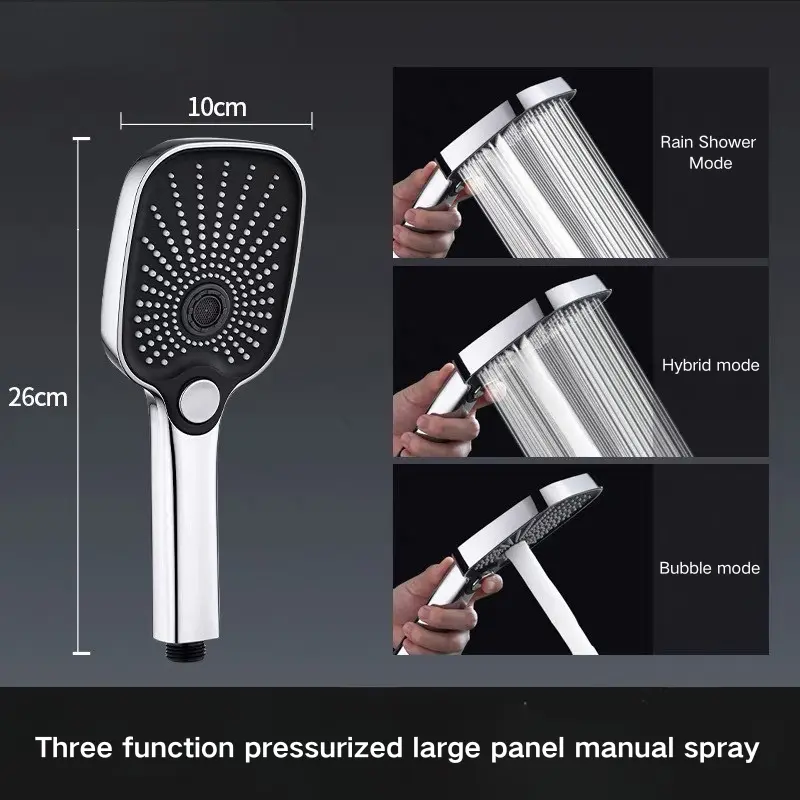
Packaging is where launches quietly go wrong. Decide early between blister, colour box, colour box with blister and gift box, because each has different artwork lead times and different shelf economics. Our cartons are 5-ply corrugated as standard, which matters more than buyers expect on long sea routes where cartons are stacked and handled repeatedly.
On range planning, a mistake worth avoiding: ordering one of everything. A first order spread thinly across many models and finishes hits every MOQ minimum at once and leaves you holding slow movers. Pick two or three models that suit your market's water conditions and price point, go deeper on those, and widen the range on the second order when you have real sell-through data. If your market has hard water or weak mains pressure, that should drive the model choice more than the styling does.
Finally, ask what happens when something goes wrong, before it does. Our commitment is a same-day response to a quality complaint: fix the customer's problem first, then find the cause and agree compensation. A supplier who won't describe their complaint procedure in concrete terms is telling you something.
Send your water conditions, sales channel and price point. We'll recommend the right hand shower types, and get samples to you fast.
Request SamplesNingbo Huanyu Sanitary Ware Co., Ltd. is a hand shower manufacturer in Cixi, Ningbo, the centre of China's shower industry. We have exported for over 6 years, on top of two decades of family manufacturing, and we run as a home-factory group: around 140 workers, 30 specialised factories, 80 lines, and an in-house lab with our own inspection team. We have made 600+ shower products for retail and distributor customers including AUCHAN, B&Q, OBI and Leroy Merlin, and we hold CE, RoHS and ACS certification with a 96-hour NSS salt spray standard and a 2-year warranty on every product.
Talk to us: send an inquiry or WhatsApp +86 138 5780 6071.